


From small-town beginnings to big-city espresso legend, Sam James is the kind of person who turns a cafe job into a calling. After arriving in Toronto at 20, Sam worked just about every job under the sun—retail, data entry, dishwasher—before coffee came calling and never let go. He opened his first cafe in 2009, and over the last decade-plus, he’s built a loyal following and an iconic name in the city’s coffee scene.
Today, Sam James Coffee Bar is known for its sharp aesthetic, zero-fluff approach to quality, and some of the best coffee you’ll find in Toronto. With a growing roasting operation, equipment services, and wholesale partnerships, Sam continues to shape the future of Canadian coffee—without buying into the hype or losing sight of what matters most.
We caught up with Sam to talk about skateboarding, staying grounded, and why growing with integrity beats selling out every time.


Q: What are 3 words your friends/family would use to describe you?
A: Responsible, principled, worker.
Q: How has your experience in skateboarding shaped your business ethos?
A: Skateboarding taught me to look for irregular patterns and approaches—how to revise what already exists and still make it enjoyable and understandable. It taught me to honour the past while continuing to refine what I contribute to the canon.

Q: Tell us more about your experience growing up in rural Ontario, in contrast to running a successful business in Canada’s largest city.
A: I really enjoyed growing up in a modest rural community. It instilled in me a grounded approach and a reluctance to think too big. What’s great about small towns and rural life is the humility and the joy of staying small. As my business has grown, I’ve resisted the temptation to chase delusions of grandeur. I have no plans to build an empire—I’m just happy to succeed, support my family and team, and provide a great product for my customers.


Q: Your advice for anyone looking to kickstart their entrepreneurial journey but doesn’t know where to start?
A: I recommend anyone interested in entrepreneurship to spend some time working in the field for a few employers first. Learn whether your ideas hold up, and gain perspective from people who’ve been in the business longer than you. Stay off the internet and immerse yourself in the actual work. Online research has led too many entrepreneurs to believe they can understand a trade just by reading about it. Learn by doing first.
Q: What does it mean to grow without selling out?
A: You must have integrity and stick to your guns. Be glued to your standards, no matter the temptations. You’ll come across corners to cut and shortcuts to success, but trust your gut and choose the path with the most integrity. I believe there’s a voice built into us that knows when we’re being true to ourselves. You need to listen to that and have faith in your vision.

Q: Where do you go when you’re looking for inspiration?
A: I go back home. I go to books. I find something meditative that challenges me. I look for something repetitive—a process I can sink into. Cleaning, restoring, fixing—those are all good ways to clear my head. That’s when the more grounded ideas start to come. I also like to go to the creek or a river and kayak.
Q: What are some of your fondest memories since starting your career?
A: When my parents got to visit my business, see what I’d built, and feel proud. Getting to work on my store with my dad or with friends—those are the memories I cherish most.


Q: What’s the most rewarding part of your job?
A: That it’s been around for almost 16 years, has weathered many storms, and continues to succeed — and to be acknowledged by both my customers and industry peers as one of the best in the coffee business.
Q: If you could give your younger self one piece of advice, what would it be?
A: Take better care of yourself, and eat well.
Q: What’s your favourite childhood snack?
A: Toasted rye bread with lots of butter and honey.

Q: How would you describe your style?
A: I like stiff clothing—rigid materials that break in and hold their structure. Clothes you can beat up, that earn character through use.
Q: Any upcoming personal projects you’d like to share with us, or a sneak peek?
A: I’m restoring my father’s house—the one I grew up in. It’s a former church, built in 1902. There’s no running water, just wood stove heat and original wood construction. It’s a real '70s back-to-the-land kind of project that my parents started. I plan to repair what needs fixing but otherwise leave it as it was. One day, I’ll move back home.


-
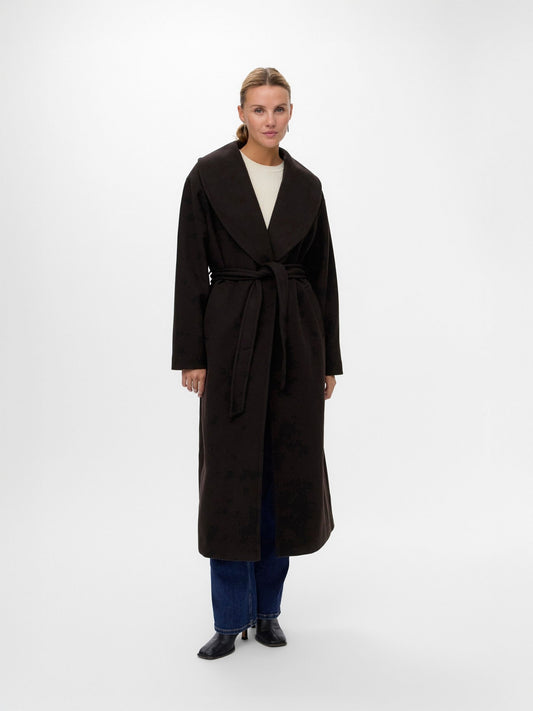
Vendor:VERO MODA
Bergen Long Wrap Coat
Regular price $129.00Sale price $129.00 Regular priceUnit price per -
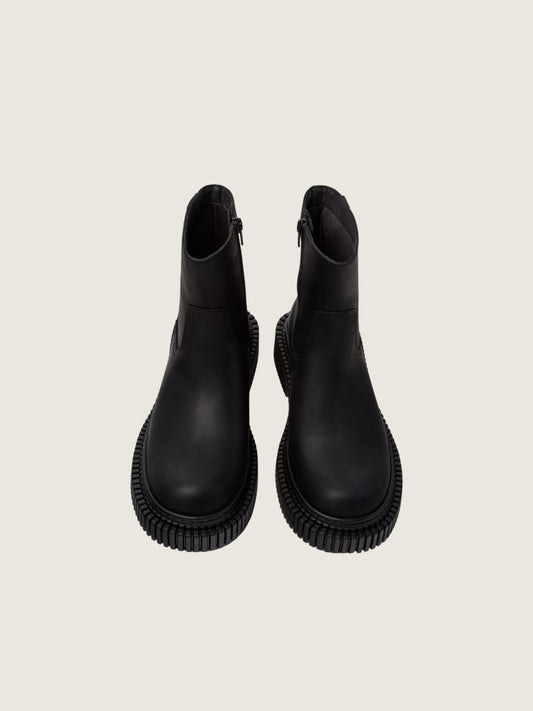
Vendor:CAMPER
Pix Berlin Ankle Boots
Regular price $320.00Sale price $320.00 Regular priceUnit price per -
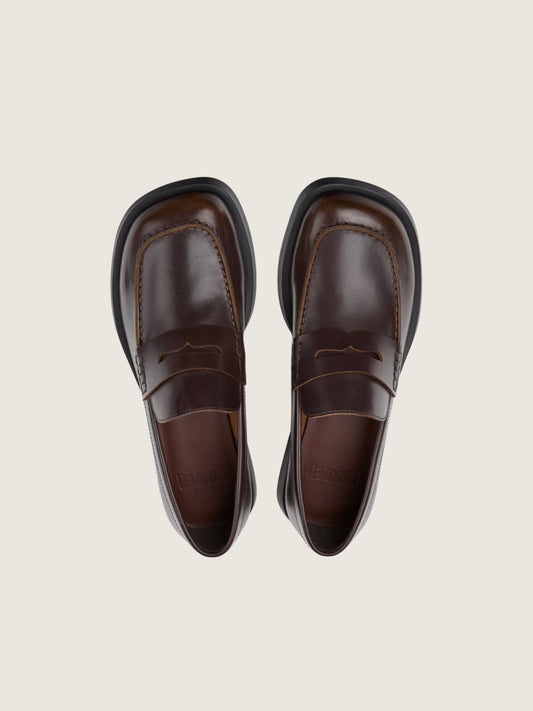
Vendor:CAMPER
Donna Leather Loafers
Regular price $250.00Sale price $250.00 Regular priceUnit price per -
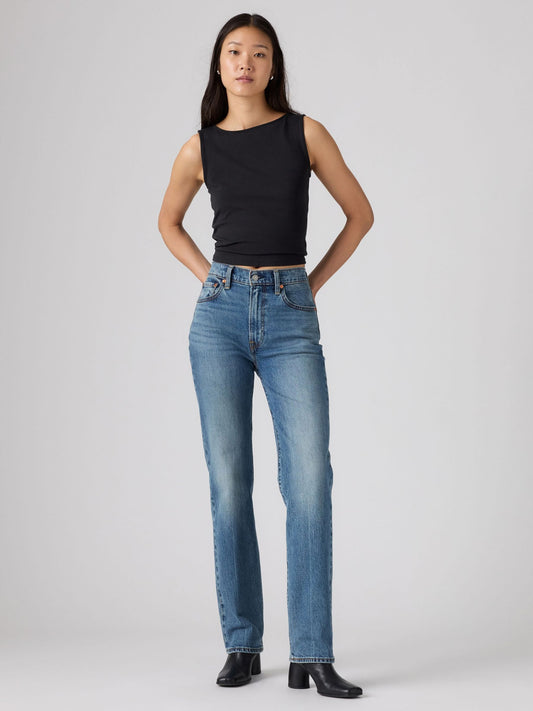
Vendor:LEVI'S
Ribcage Slim Jeans
Regular price $118.00Sale price $118.00 Regular priceUnit price per -
-
Vendor:ONLY
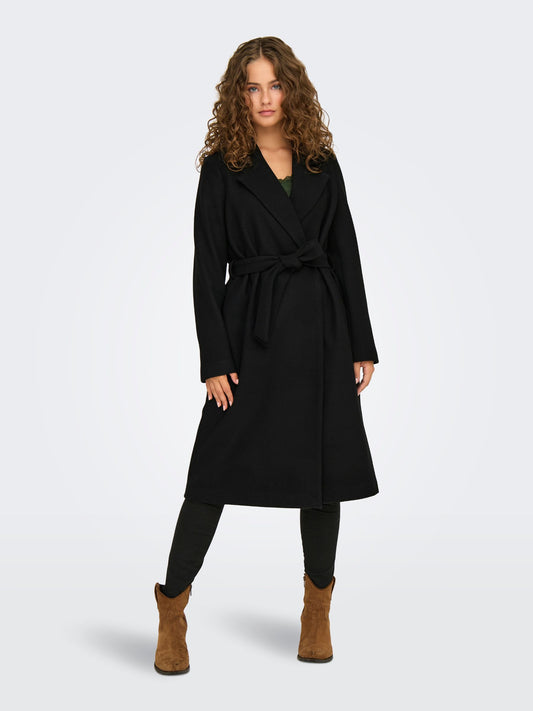
Alvilda Wrap Long Coat
Regular price $129.00Sale price $129.00 Regular priceUnit price per -
Vendor:ONLY
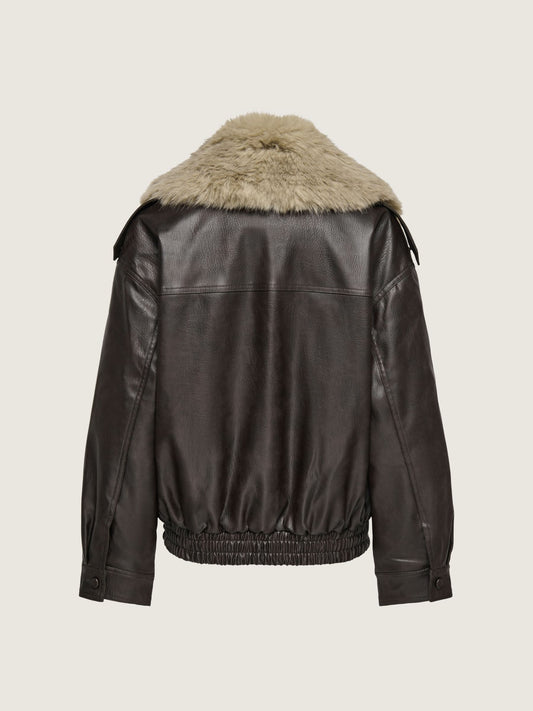
Kim Faux Leather Jacket
Regular price $199.00Sale price $199.00 Regular priceUnit price per -
Vendor:LEVI'S
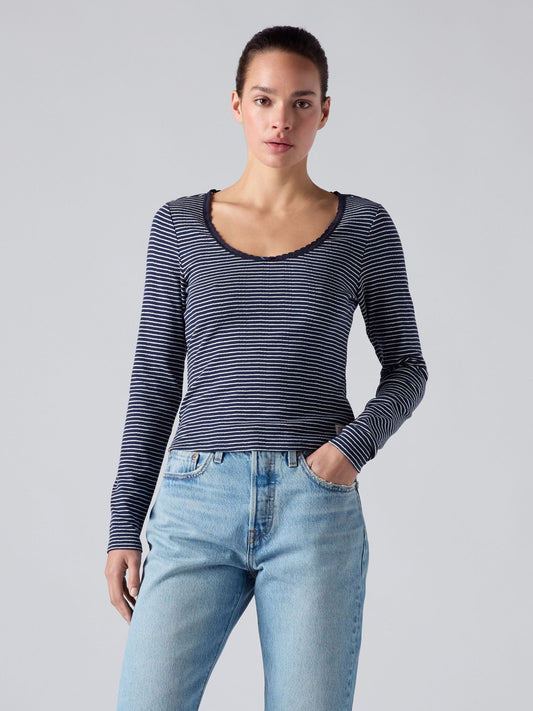
Dry Goods Pointelle Longsleeve Top
Regular price $40.00Sale price $40.00 Regular priceUnit price per -
Vendor:JJXX
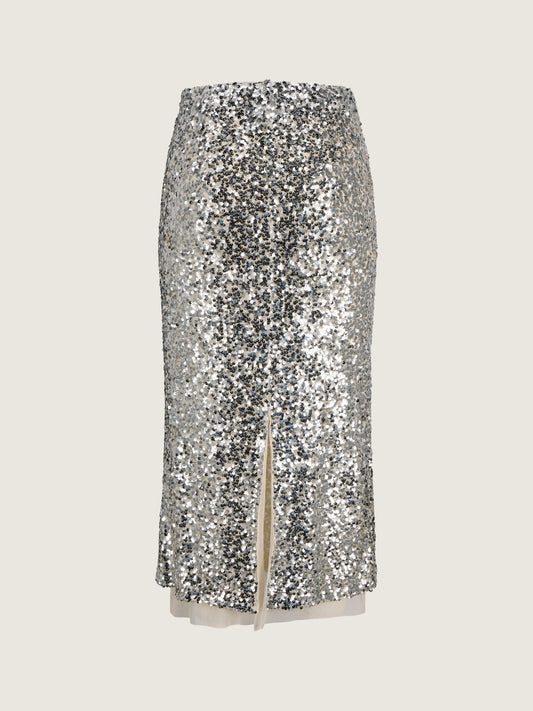
Zola Sequin Skirt
Regular price $100.00Sale price $100.00 Regular priceUnit price per -
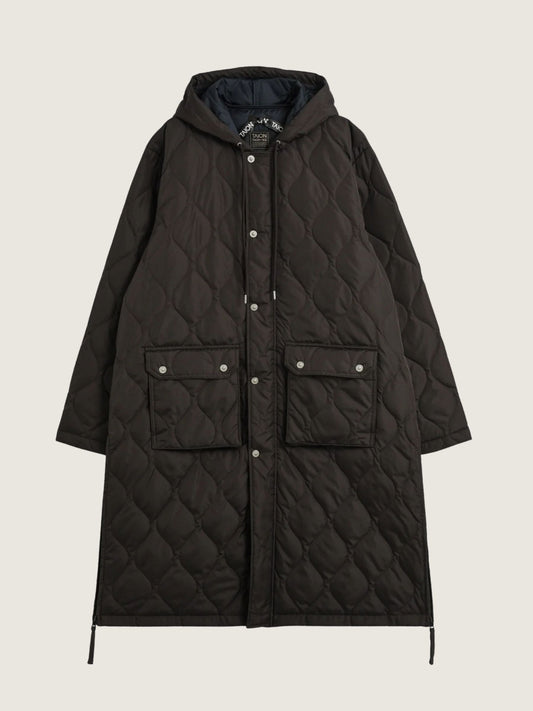
Vendor:TAION
Military Hooded Long Down Jacket
Regular price $404.00Sale price $404.00 Regular priceUnit price per -
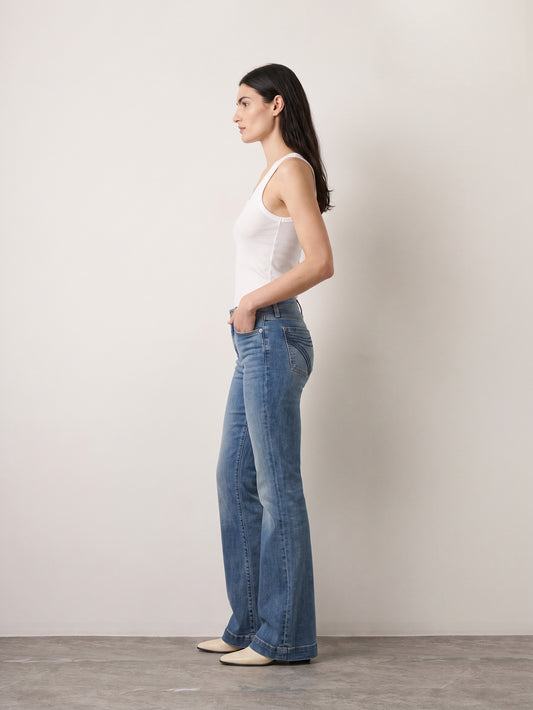
Vendor:SEVEN FOR ALL MANKIND
Dojo Trouser Jeans
Regular price $298.00Sale price $298.00 Regular priceUnit price per -
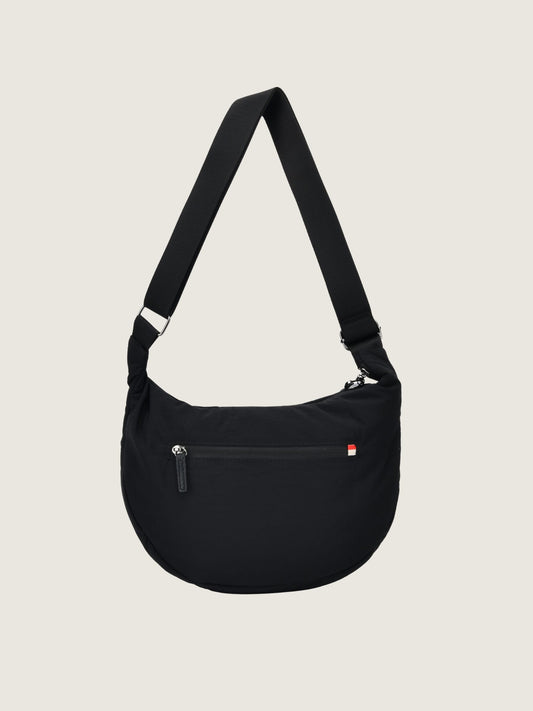
Vendor:COLAB
Melle Crossbody Bag
Regular price $80.00Sale price $80.00 Regular priceUnit price per












Related Articles
View all-

Meet: The Wild Bunch
Alexandra Schulze on floral design, seasonal inspiration, and personal style.
FeaturedMeet: The Wild Bunch
Alexandra Schulze on floral design, seasonal inspiration, and personal style.
Read More -

Stems & Staples
Stems & Staples Sat, Oct 3 at Plenty Coquitlam with The Wild Bunch & Free...
FeaturedStems & Staples
Stems & Staples Sat, Oct 3 at Plenty Coquitlam with The Wild Bunch & Free...
Read More

