


For ceramic artist Tamara ‘Solem’ Al-Issa, clay is as much about presence as it is about process. What began alongside her biomedical studies slowly became a practice of its own, and today, through Solem Ceramics, she creates sculptural pieces shaped by memory, place, and an intuitive relationship with material.
We caught up with Tamara to talk about finding her way to clay, the emotional language of colour, Toronto’s creative community, and why the best part of teaching ceramics might be watching people soften.

Q: What are 3 words your friends/family would use to describe you?
A: Grounded, impulsive, tender.
Q: Your journey shifted from biomedical studies to full-time ceramics. Was there a moment when you realized clay felt like home?
A: It wasn’t one big cinematic moment, it was slower than that. I just kept returning to it. In school I was studying the body in a very clinical, analytical way, but it was also just as tactile as I was working with cadavers a lot. I think that when I touched clay, I approached it with the same kind of analytical lens– I really just wanted to get as good as I possibly could get at working with this material. Also, this was before ceramics was popular at all in Toronto, so I was literally JUST doing this for me. It made me feel so present. That kind of presence is rare, and so I trusted it.

Q: Your “Deep Blue” pieces are instantly recognizable. Can you tell us a bit about your relationship to colour?
A: Colour for me is emotional before it’s aesthetic. The deep blue came out of a need for something immersive, something that holds depth without distraction. It absorbs light in a way that feels almost internal. I’m not interested in a wide palette, I’d rather stay with one colour long enough to understand it fully, to push it until it becomes a language of its own.

Q: How would you describe your personal style?
A: I don’t really think about it too hard, or try to create ensembles out of outfits. I just wear pieces that mean a lot to me. I like things that feel considered without trying too hard.

Q: Toronto is such a mosaic of cultures. How has it influenced your work?
A: I think it’s shaped my process more than the work itself. Toronto feels small in the way you’re constantly crossing paths with different cultures every day. There’s a generosity within creative communities here, people are open with their knowledge and their lived experiences, and that kind of exchange feeds how I think and make. As someone whose work sits within the diasporic experience, listening to other diasporic stories feels essential. It deepens the practice, even if it’s not always visibly translated into the final piece.

Q: What do you love most about teaching ceramics to others?
A: Watching people soften. Clay has a way of slowing you down and bringing you back into your hands. In a group setting especially, there’s this quiet shift where people stop performing and start feeling. I love creating that space. It’s less about technique and more about permission.
Q: Clay has a long memory. What do you hope it remembers from your hands?
A: Care. And tenacity. Both at once.
shop tamara's picks
-
Vendor:MONK & LOU
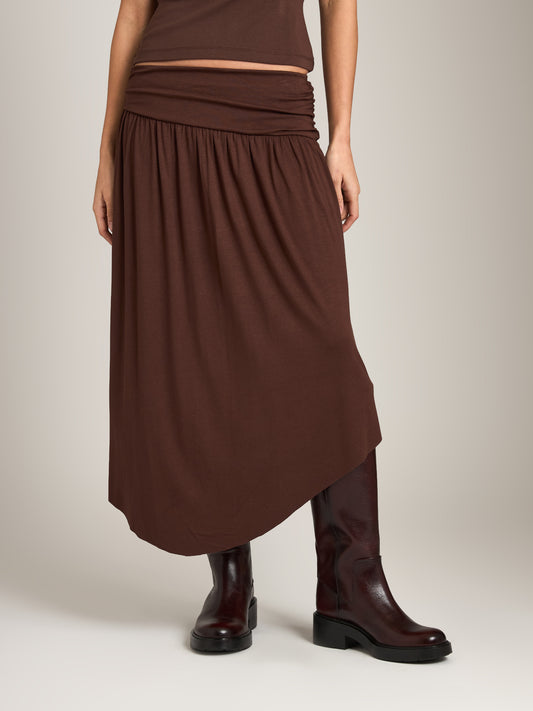
Danita Gathered Skirt
Regular price $24.99Sale price $24.99 Regular priceUnit price per$69.00


Related Articles
View all-

Meet: The Wild Bunch
Alexandra Schulze on floral design, seasonal inspiration, and personal style.
FeaturedMeet: The Wild Bunch
Alexandra Schulze on floral design, seasonal inspiration, and personal style.
Read More -

Stems & Staples
Stems & Staples Sat, Oct 3 at Plenty Coquitlam with The Wild Bunch & Free...
FeaturedStems & Staples
Stems & Staples Sat, Oct 3 at Plenty Coquitlam with The Wild Bunch & Free...
Read More

