


At a time when so much of our social lives happen through screens, Thumn Al-Rawe is interested in something simpler; getting people around the same table. Her Dinner Club started as a series of small gatherings and quickly became something bigger. What hasn't changed is her desire to create the kind of night where strangers leave feeling like friends.
The food may be what gets everyone to the table, but the people are what make the night. The food may be what gets everyone to the table, but the people are what make the night. As the Dinner Club grows, Thumn thinking about how to bring that feeling to more people. Spaces where everyone feels welcome. Conversations that come naturally. Room for one more, always.

Q: What sparked the idea to start a Dinner Club?
A: It started with noticing how transactional dining had become. You eat, you leave, you never really connect with anyone at the table. I loved cooking, but what I actually wanted to create was the kind of night where strangers leave as people who matter to each other. The dinner club was never really about the food first, it was about building that back.
Q: Do you have any kitchen rituals that set the tone for your creative process?
A: I deal with a lot of health issues (vertigo, overstimulation, anxiety) so my rituals are really about creating calm before I even start cooking. I make my shopping list ahead of time and check everything off so nothing slips through the cracks when I'm overstimulated. I stay off my phone and away from electronics as much as I can, and I have a physical board where I write out each menu item and what needs to be done. No music, because it can overwhelm me fast, but what I like to put on is Gilmore Girls or Friends like a podcast because I've seen the episodes so many times. It just helps me settle in and get into the groove.


Q: Your dinners feel like a passport on a plate. How do you decide which flavors or regions to explore in a meal?
A: I'm a deeply curious person. I love flavors, I love unique and original ways of doing things, and I'm drawn to culture over trend. I'm not really chasing modern techniques; I'm much more interested in going back to how our ancestors used to cook. There's something about that simplicity that's actually more complex, and I love that tension. What makes it even more meaningful to me is I used to be a picky eater, so being able to branch out and explore different cuisines feels like a gift I almost can't believe I get to have now. There's still so much I want to learn and experience, and I can't wait to keep discovering all the flavors the world has to offer.

Q: Do your hobbies outside the kitchen ever inspire the presentation of a dish or event?
A: Absolutely, I draw inspiration from everything. What I'm wearing plays a real part in it. I'm a maximalist at heart, stripes, dots, bold coluor combinations, a mix of chic, streetwear, cottagecore, and gorpcore all at once. That same instinct shows up on the table, layering textures and coluors the way I'd layer an outfit. Beyond that, I'm inspired by what I'm feeling, what I see around me: the colors of nature, the mountains, the ocean, the trees. Other incredible people in the world inspire me too; how they think, how they create. I also have this architecture mind, constantly noticing how things are built, form and function, and thinking about how that translates onto a plate or into a room. Ultimately, it comes back to the feeling I'm trying to create, whether it's for a specific event or just an everyday dinner.
Q: How would you describe your personal style?
A: Maximalist, and proudly a mix of everything! Stripes, dots, bold color combinations. It's chic meets streetwear meets cottagecore meets gorpcore, all at once. I don't believe in picking one lane; I like clashing textures the same way I like clashing flavors and cultures in my cooking. My style is really just an extension of how I cook and how I host. A little unexpected, a little layered, and never just one thing!


Q: You mention your father as one of your culinary inspirations. How did your childhood experiences shape the way you think about community and sharing food now?
A: Growing up, food and soccer were the two constants that always brought my family together, no matter what else was going on around us. Soccer was always on; we were playing it outside or watching it on TV, but food was the real anchor. My dad is an incredible chef; he even ran his own falafel restaurant. No matter what, sitting down together at the table was non-negotiable. That's where I learned what community really means, it's not complicated or fancy, it's just showing up and eating together. That's exactly what I try to recreate at every dinner I host.
Q: If you could recreate one dish from your childhood exactly as it was, what would it be?
A: Hands down, it's my dad's falafel. No one, and I mean no one, has ever come close to making it like he does. If I had a death row meal, that would be it, no question. I actually had it again today, and it still hits exactly the same way it did when I was a kid. Some things just don't need reinventing.


Q: What’s the secret to creating a warm, communal energy at your table?
A: Honestly, it's making sure no one feels like a guest at someone else's dinner party, everyone's there to actually be seen. I always tell my guests upfront: there's no itinerary, no pressure to perform or network, nothing you have to do. What I'm going for is the feeling of having dinner with your family, just good food with new people who, hopefully, turn into friends by the end of the night. I set the tone early, keep things unpretentious, and get out of the way once people start talking. The food is the excuse; the room is the point.


Q: How did your vision for the Dinner Club evolve from the first gathering you hosted to where it is now, and what’s next on the horizon?
A: It started small, and it's grown into something with real reach, media attention, and brand interest, but the core hasn't changed. What's next is scaling that same feeling, through bigger platforms, brand collaborations, and eventually making it accessible to people who'd never normally get a seat at a table like this. Part of that vision has always included building something sustainable, not just something beautiful, but something that can genuinely support my life and the people I love. I want to prove that doing what you love and building a life on your own terms doesn't have to come at a cost.


Shop Dinner Club Looks
-
Belle Boatneck Tunic Vest
Regular price $34.99Sale price $34.99 Regular priceUnit price per$98.00 -
Sabrina Ruffle Tank Top
Regular price $24.99Sale price $24.99 Regular priceUnit price per$65.00 -
Bryony Wide Rib Long Sleeve Top
Regular price $17.99Sale price $17.99 Regular priceUnit price per$45.00 -
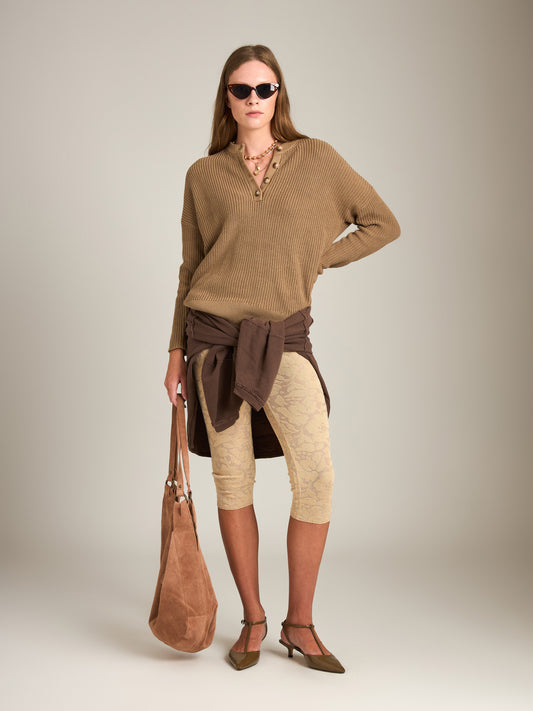 Sale
SaleNeda Henley Sweater
Regular price $44.99Sale price $44.99 Regular priceUnit price per$120.00 -
Charlize Bomber Jacket
Regular price $149.00Sale price $149.00 Regular priceUnit price per


Related Articles
View all-

Meet: Thumn's Dinner Club
Thumn Al-Rawe on the power of a shared meal and creating space for strangers to...
FeaturedMeet: Thumn's Dinner Club
Thumn Al-Rawe on the power of a shared meal and creating space for strangers to...
Read More -

Meet: MSDS Studio
Jessica Nakanishi and Jonathan Sabine on building a practice around making things well.
FeaturedMeet: MSDS Studio
Jessica Nakanishi and Jonathan Sabine on building a practice around making things well.
Read More

